
Ecommerce growth guides for Indian businesses, online stores, grocery sellers, restaurants, cloud kitchens, and hyperlocal brands.
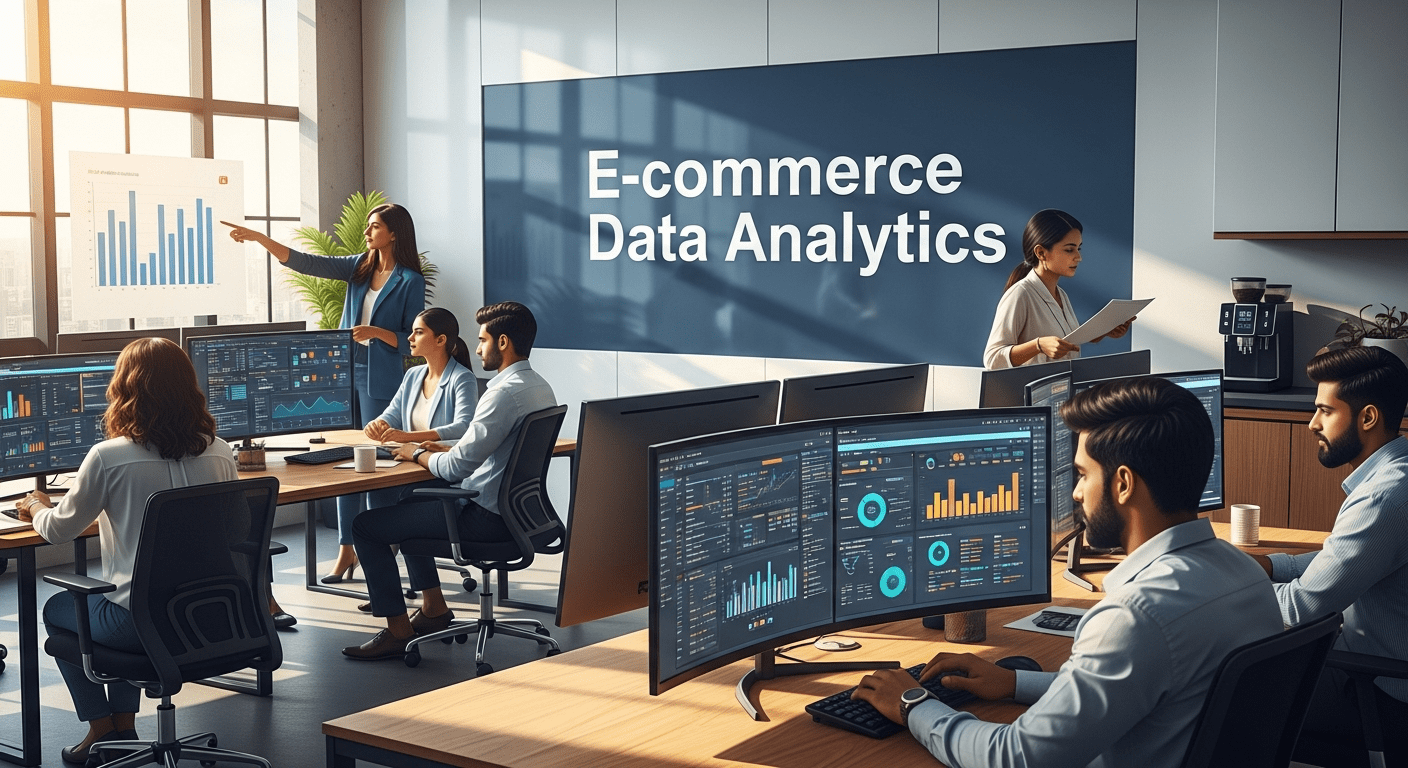
E-commerce Data Analytics: Making Smarter Business Decisions
Discover how to leverage data to understand customer behavior, optimize inventory, and measure marketing success for your online store. Build authority with data-driven strategies.

Introduction:
Running an online store means making a lot of decisions. Which products should you stock? Are your marketing efforts effective? For small e-commerce businesses, these choices can be challenging, especially with limited time and resources.
But using data can make it easier. By looking at data, you can see patterns in customer behavior, manage stock more effectively, and understand which strategies work best. For entrepreneurs using BuildMyStore.io, these insights are the foundation of sustainable growth.
This guide will show you how to use data insights to make your e-commerce business run more smoothly.

1. Learn What Your Customers Want
Understanding what your customers want is key to growing your business. Data can show you valuable insights—what products customers prefer, when they shop, and how often they come back. By analyzing these trends, you can match your offerings to their interests and increase sales.
Actionable Customer Insights
• Use Google Analytics to track visitor details, like age, location, and popular pages on your site.
• Group your customers (based on buying habits) to see which products and promotions work best for different customer types.
Real-World Example
I found that most of my visitors were using mobile devices. By improving my site’s mobile experience, I made it easier for them to shop, leading to higher sales.
2. Manage Your Inventory More Efficiently
Keeping track of stock can be hard, especially for small businesses. Having too much stock ties up money, but having too little means missed sales. By tracking sales trends, you can better understand which products are popular and when to restock.
Inventory Management Tips
• Look at past sales data to see which items are most popular in different seasons. This helps you prepare your stock without over-ordering.
• Set up low-stock alerts to know when popular items need reordering.
Real-World Example
I noticed that winter clothing sells quickly from October to December. By ordering more stock early, I was able to meet demand without overstocking.

3. Measure Marketing Success
Marketing is important for growth, but it’s essential to know which campaigns work best. Data analytics can help you track which channels—like Instagram, email, or Google Ads—bring in the most sales. By measuring results, you can focus on the strategies that give you the best return on investment.
Marketing Measurement Tips
• Use tracking links to see where visitors are coming from for each campaign.
• Set up goals in Google Analytics to track actions, like signing up for emails or making purchases.
Real-World Example
My data showed that Instagram ads were driving more sales than other channels, so I increased my Instagram budget. This decision boosted my revenue without increasing overall costs.
4. Build Customer Loyalty
Attracting new customers is great, but keeping current ones is even better. Data can help you find loyal customers and see what keeps them coming back. By creating special offers or loyalty programs, you can increase repeat purchases and build stronger connections.
Loyalty Building Tips
• Track repeat purchases (when customers buy from you again) to see which customers are most loyal.
• Check customer lifetime value (CLV), or the total amount a customer spends with you over time, to focus on the most valuable groups.
Real-World Example
I noticed that customers who bought eco-friendly products returned often. So, I created exclusive deals for this group, encouraging more repeat purchases.
5. Improve Your Website Experience
A user-friendly website is essential for e-commerce success. If customers find it hard to navigate your site, they might leave before buying. Data can show you where customers are leaving, like slow pages or a complicated checkout process. By fixing these areas, you can improve the shopping experience and increase sales.
UX Optimization Tips
• Check your bounce rate (how often users leave after viewing just one page) to find areas that need improvement.
• Track cart abandonment rate to see if customers leave their carts before buying, which can show issues in the checkout process.
Real-World Example
My data showed a high cart abandonment rate on the payment page. I made checkout easier by adding more payment options. This led to more completed purchases.
6. Plan for Future Demand
Looking at past sales trends can help you predict demand for certain products. Demand forecasting (predicting what customers will want) helps you stock up at the right times, saving you money and avoiding stockouts during busy seasons.
Forecasting Tips
• Review monthly and yearly sales trends to see which products are seasonal (popular at certain times of year).
• Adjust pricing to clear out old stock or increase prices during high demand.
Real-World Example
I noticed umbrellas sell quickly during the monsoon season, so I stocked up early. This helped me meet demand without running out.
7. Use Regular Reports to Guide Decisions
Regular reports help you track your business’s progress over time. Weekly or monthly reports on key areas like sales, inventory, and customer satisfaction give you a clear picture of what’s working and what needs attention.
Reporting Tips
• Set up regular reports to monitor key metrics, such as sales, stock levels, and customer satisfaction.
• Compare data over time to spot patterns, like growth in a specific product or a drop in website visits.
Real-World Example
One month, I saw an increase in website traffic, but no rise in sales. This led me to improve my website’s user experience and make adjustments to my marketing strategy. After that, I saw sales start to rise.

Conclusion:
Data analytics doesn’t have to be complex or expensive. By focusing on a few key numbers, small e-commerce businesses in India can make smarter decisions that drive growth. From understanding customer preferences to managing stock, data insights can help you build a stronger, more successful business.
If you’re ready to start using data to improve your business, buildmystore.io helps you managing and growing your business easier. Sign up today for free and see how data-driven decisions can help you succeed.
Frequently Asked Questions
How do I use data to grow my e-commerce business?
You can use data to identify high-performing products, understand customer demographics, and optimize your marketing budget. Platforms like BuildMyStore.io provide integrated tools to help you track these metrics easily.
What is the best tool for e-commerce analytics?
Google Analytics is the industry standard for website traffic, while BuildMyStore.io offers specialized e-commerce dashboards for managing sales, inventory, and customer loyalty in one place.
How can I track customer behavior on my website?
You can track behavior by monitoring metrics like bounce rate, average session duration, and the cart abandonment rate. These numbers reveal where customers face friction during their shopping journey.