
Ecommerce growth guides for Indian businesses, online stores, grocery sellers, restaurants, cloud kitchens, and hyperlocal brands.
COD Returns India: Why Shoppers Love It & How to Reduce Returns
Cash on Delivery is still king in India in 2025. Discover why shoppers prefer COD and learn 10 actionable strategies to reduce return rates and protect your ecommerce profit margins.

Introduction:
In the world of Indian ecommerce, one thing remains clear even in 2025: Cash on Delivery (COD) is still the king. Despite the rise of UPI, mobile wallets, and digital payments, a huge portion of online shoppers in India still prefer to pay only when their product arrives. This behavior is especially common among first-time buyers, small-town shoppers, and those who are cautious about scams or product quality.
For ecommerce businesses, COD brings both benefits and challenges. While it increases order volumes, it also leads to higher return rates, increased logistics costs, and cash-handling issues. So how can online sellers benefit from the popularity of COD without suffering losses from returns?
This blog explores why Indians love COD, and more importantly, how small businesses and ecommerce brands can reduce COD returns smartly—especially if you use platforms like BuildMyStore.io, which simplify store setup without complex integrations.

Why Indian Consumers Prefer COD
1. Trust Issues with Online Payments
Many Indian shoppers still hesitate to pay in advance, especially when buying from lesser-known brands or new stores. COD offers a sense of control they pay only after receiving the product.
2. Product Quality Concerns
Customers often fear that the product may not match what they saw online. With COD, they feel safer rejecting the order if it doesn’t meet their expectations.
3. Lack of Digital Payment Access
Despite the rise of UPI, not everyone in Tier 2 or Tier 3 cities is fully comfortable with digital wallets. Some don’t have access to stable internet or banking services.
4. Cultural Habit
Paying after receiving is deeply rooted in Indian buying behavior, whether it’s kirana stores or ecommerce.
Why COD Returns Hurt Your Business
While COD can boost initial sales, returns from COD orders can:
Key Impacts of COD Returns
- Increase delivery and return shipping costs.
- Result in wasted packaging and manpower.
- Lead to cash flow problems.
- Affect customer support resources.
- Lower your platform ratings or reviews.
Hence, reducing COD return rates is not just good practice, it’s essential for maintaining profit margins in a competitive market.
Smart Ways to Reduce COD Returns
1. Use Confirmation Calls or Messages
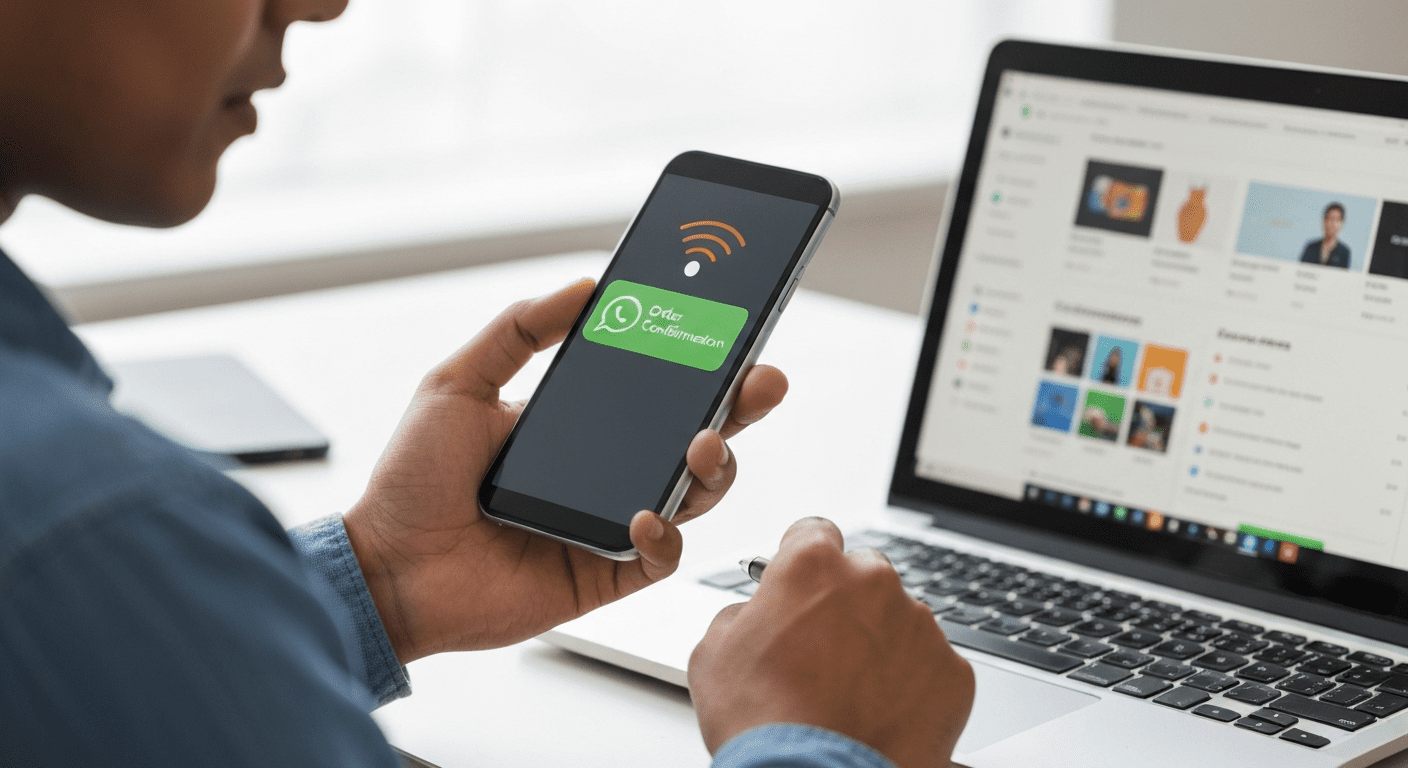
Before dispatching any COD order, send a WhatsApp or SMS confirmation. You can ask the buyer to reply “YES” to confirm. This filters out impulse buyers or prank orders.
Pro Tip: Streamline Confirmations
Tools like BuildMyStore.io allow easy order tracking and integration with WhatsApp for order confirmations.
2. Offer Prepaid Incentives
Motivate customers to switch to prepaid by offering:
- Small discounts (5% off on prepaid orders).
- Free shipping.
- Early delivery guarantee.
This not only reduces COD orders but builds trust over time.
3. Highlight Product Quality Clearly
Returns often happen when product expectations aren’t met. Use:
- High-quality photos (real-life images).
- Short videos and product demos.
- Detailed product descriptions (material, size, care).
- Customer reviews and ratings.
4. Limit COD Availability
Instead of removing COD completely, you can:
- Enable COD only for repeat customers.
- Limit COD for orders below a certain amount (e.g. Rs. 1000).
- Offer COD only in selected pincodes.
5. Charge a Small COD Fee
Adding a nominal charge (Rs. 20–50) helps reduce unnecessary COD orders. Many serious buyers don’t mind paying a small fee for flexibility.
6. Track RTO (Return to Origin) Data
Study which customers or regions are causing maximum COD returns. You can block suspicious buyers or deactivate COD for high-risk zones.
7. Keep Buyers Updated
Send regular shipment updates via SMS or WhatsApp:
- “Your order will be delivered tomorrow”.
- “Delivery agent is on the way”.
- “Your parcel is out for delivery”.
This reduces failed deliveries when the buyer isn’t available.
8. Use Strong Packaging and Branding
A well-packed product gives confidence to buyers. Use branded boxes, thank-you cards, and tamper-proof packaging to reduce product refusal.
9. Enable Easy Customer Support
Make it easy for buyers to:
- Ask product-related queries before ordering.
- Modify their orders or addresses.
- Track orders in real-time.
Even small stores can do this using WhatsApp, email, or live chat.
10. Follow Up on Returns
If a customer refuses delivery, politely ask the reason. If it’s size, color, or delivery delay—work on improving those areas. This feedback loop helps build a stronger business.

Final Thoughts: Smart COD = Smart Business
COD is not your enemy—in fact, it helps thousands of Indian businesses reach customers who don’t trust online payments yet. But to keep your profits safe, you must be smart about how you manage COD.
With clear product pages, confirmation steps, prepaid incentives, and simple tools like BuildMyStore.io, you can enjoy the benefits of COD without getting stuck with returns.
Think long-term. Every return is a learning point. Tweak your operations, make your buyer journey stronger, and keep offering the trust and transparency that Indian buyers want.
Frequently Asked Questions
Why is COD still popular in India despite UPI?
Many Indian shoppers prefer COD due to trust issues with new brands, the desire to inspect product quality before paying, and cultural habits. It provides a sense of security for first-time buyers in Tier 2 and Tier 3 cities.
How can I reduce RTO for my ecommerce store?
You can reduce Return to Origin (RTO) by sending WhatsApp confirmation messages, offering small discounts for prepaid orders, charging a nominal COD fee, and keeping customers updated with real-time tracking alerts.
Should I completely disable COD for my online business?
Disabling COD completely might lower your order volume. Instead, try limiting COD to specific pincodes, repeat customers, or orders below a certain value to balance growth with return risks.
Does charging a COD fee discourage customers?
A small fee of Rs. 20-50 usually doesn’t discourage serious buyers but helps filter out impulse or fake orders. It also covers a portion of the extra cash-handling costs charged by logistics partners.