
Ecommerce growth guides for Indian businesses, online stores, grocery sellers, restaurants, cloud kitchens, and hyperlocal brands.

Online Business in India: A Simple Step-by-Step Guide
Launch your e-commerce venture with our comprehensive guide on starting an online business in India. We cover everything from legal registration to marketing your first store.

Introduction
Starting an online business in India is an exciting opportunity. With more consumers shopping online, now is a great time to launch your own e-commerce business. However, to start successfully, there are some important steps to follow.
This guide will walk you through each step, from choosing a business idea to registering, creating a website, and getting your first customers. By following these steps, you’ll be ready to start an online business in India and make it successful.

Step 1: Choose Your Online Business Idea
The first step in starting an online business is choosing a business idea that matches your skills and interests. Picking the right business type will make it easier to build, manage, and grow.
Popular Online Business Ideas in India
- Sell Handmade Products: From jewelry to handicrafts, handmade products have a big market.
- Offer Digital Products: Digital downloads, e-books, and online courses are popular.
- Sell Niche Products: Organic skincare, eco-friendly items, and personalized gifts are in demand.
- Research the Market: Use Google Trends, social media, and popular marketplaces to see what products or services are in demand.
Keyword Tip
Include terms like “popular online business ideas in India” and “niche products in India” in your descriptions.
Step 2: Plan Your Business Structure
Once you have a business idea, decide on a business structure. The right structure affects your taxes, personal liability, and compliance requirements. In India, common structures include sole proprietorship (one-person ownership), partnership (shared ownership), LLP (Limited Liability Partnership), and private limited company.
- Sole Proprietorship: Ideal for solo entrepreneurs. It’s easy to set up and affordable.
- Partnership: Suitable for two or more people who share profits and responsibilities.
- LLP: Offers personal liability protection, which means your personal assets are protected.
- Private Limited Company: Best for larger businesses or those needing investor support.
Keyword Tip
Use terms like “best business structure in India” and “start an LLP in India.”
Step 3: Register Your Business
Registering your business is essential to operate legally. The registration type depends on your chosen structure. Here’s how to register each type:
- Sole Proprietorship: Register through your local municipal office. Get GST (Goods and Services Tax) registration if needed.
- LLP or Private Limited Company: Register through the Ministry of Corporate Affairs (MCA) website. You will need a DIN (Director Identification Number) and a DSC (Digital Signature Certificate).
Once registered, you will receive a business identification number. Registering as an MSME (Micro, Small, and Medium Enterprise) can provide extra benefits, like access to loans and government schemes.
Keyword Tip
Add terms like “how to register an online business in India” and “business registration for online store.”
Step 4: Get GST Registration
In India, GST (Goods and Services Tax) registration is necessary for all online businesses. This tax is required for any e-commerce business to operate legally and charge tax on sales.
How to Register for GST:
- Go to the GST portal and complete the registration process.
- Keep digital records of all sales and purchases. Accurate records make GST filing easy.
Compliance Note
Not having GST can lead to fines, so it’s important to get registered before starting sales.
Keyword Tip
Use terms like “GST registration for online business” and “how to register for GST in India.”
Step 5: Create Your Online Store
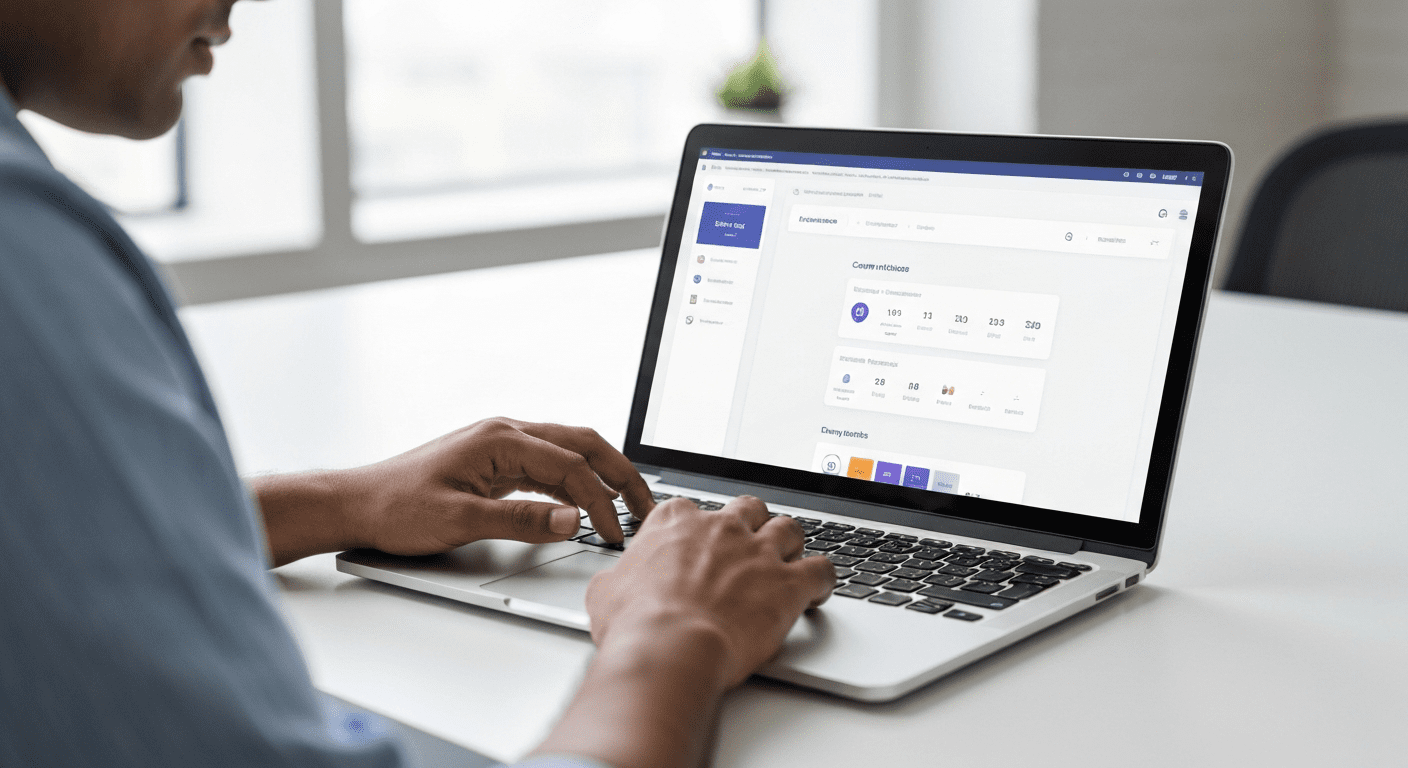
The heart of your online business is your e-commerce website. This is where customers will browse products, make purchases, and interact with your brand.
- Popular E-commerce Builders: Platforms like Shopify, BuildMyStore.io, WooCommerce, and BigCommerce make it easy to create an online store without coding.
- What to Include on Your Website:
- Homepage: Showcase your products and highlight promotions.
- Product Pages: Include quality photos, descriptions, and prices.
- Contact Information: Display your contact details and customer support options.
- SEO for Your Store: Optimize your website for search engines to attract customers. Use keywords related to your business, like “best e-commerce store in India” and “online shopping India.”
Keyword Tip
Use keywords like “best e-commerce builder for India” and “how to create an online store in India.”
Step 6: Set Up Secure Payment Methods
Setting up secure payment gateways is essential for any online business in India. Secure payment options build trust with customers and allow them to pay easily.
- Popular Payment Gateways in India: Use trusted gateways like Razorpay, Paytm, and PayPal. These options are easy to integrate with most e-commerce platforms.
- Compliance: Ensure your payment gateway is PCI-DSS compliant. This standard protects payment data and reduces fraud risks.
Keyword Tip
Use “best payment gateways in India” and “how to set up payment for online business.”
Step 7: Promote Your Online Store
Once your store is live, it’s time to promote it. Marketing helps attract visitors and convert them into paying customers.
- SEO (Search Engine Optimization): Optimize your product pages with keywords so that they appear on Google searches. For example, if you sell organic skincare, use “organic skincare India” and “buy organic products online.”
- Social Media Marketing: Share your products on popular platforms like Instagram, Facebook, and YouTube. Use targeted ads to reach specific customer groups.
- Email Marketing: Build an email list of interested customers. Offer exclusive discounts and updates to keep them engaged.
Keyword Tip
Include terms like “promote online store in India” and “SEO for e-commerce India.”
Step 8: Set Up Return and Refund Policies
Clear return and refund policies make customers feel secure and help avoid disputes. Indian customers appreciate flexible return options, especially for high-value items.
How to Create a Policy:
- State eligibility: Which items can be returned.
- Set a timeline: Offer 7-15 days for returns.
- Outline refund processing time.
Example: Follow policies from familiar sites like Amazon or Flipkart, as customers trust these formats.
Keyword Tip
Use “return policies for e-commerce India” and “refund policy for online store India.”
Step 9: Offer Customer Support
Good customer support builds trust and keeps customers coming back. Include multiple ways for customers to contact you, such as live chat, email, or phone support.
- Common Customer Support Channels:
- Live Chat: Great for quick answers to questions.
- Email Support: Good for more detailed questions or complaints.
- Social Media Support: Customers often reach out on social media, so be ready to respond there too.
Keyword Tip
Use terms like “customer support for e-commerce India” and “how to handle customer service online.”
Step 10: Track and Improve Your Sales
To grow your online business, track your sales and see what’s working. Use analytics tools like Google Analytics to see which pages get the most visitors, which products sell best, and which marketing channels drive traffic.
- Key Metrics to Track:
- Sales Data: Track how much you’re selling and which items are most popular.
- Customer Feedback: Gather reviews to understand what customers like or don’t like.
- Traffic Sources: See which marketing efforts are bringing in the most visitors.
Keyword Tip
Use “track e-commerce sales” and “improve online business India.”

Conclusion
Starting an online business in India takes careful planning, but by following these steps, you’ll set a strong foundation for success. From choosing the right idea and registering your business to creating a website and marketing your products, every step brings you closer to launching a successful online store.
Ready to begin? Start building your online store today and take advantage of the growing e-commerce market in India!
Frequently Asked Questions
How much does it cost to start an online business in India?
The cost varies depending on your business model. A sole proprietorship with a basic website on a platform like BuildMyStore.io can start for as little as a few thousand rupees, while a private limited company with custom development will require a higher initial investment.
Is GST mandatory for selling online in India?
Yes, GST registration is mandatory for all e-commerce sellers in India, regardless of their turnover. You must have a GSTIN to register as a seller on marketplaces or to process payments on your own website.
Which is the best platform to launch an online store in India?
For Indian entrepreneurs looking for a fast and hyperlocal solution, BuildMyStore.io is an excellent choice as it allows you to launch a store in seconds. Other popular options include Shopify and WooCommerce.
Can I start an online business from home?
Absolutely. Many successful Indian online businesses start as home-based ventures. As long as you have a computer, internet connection, and the necessary legal registrations, you can operate from anywhere.