
Ecommerce growth guides for Indian businesses, online stores, grocery sellers, restaurants, cloud kitchens, and hyperlocal brands.
D2C Home Decor: Sell Premium Furniture Without a Showroom
Discover how to bypass expensive retail rentals and build a high-trust D2C Home Decor brand in India using 3D visuals, transparent logistics, and digital storytelling.

Welcome! If you are a designer, a local artisan, or a small furniture manufacturer, you already know the biggest problem with the traditional model: the expensive showroom. Renting prime retail space in a metro city can cost lakhs of rupees every month, draining your profits before you sell a single sofa.
This is why Direct-to-Consumer (D2C) is the future of Home Decor in India. The consumer is ready to buy high-value items like ergonomic chairs, modular kitchens, and designer lighting online, but only if they feel completely confident in the purchase.
Your challenge is simple: How do you build “showroom trust” on a digital screen?
The answer lies in mastering Visual Trust Signals and providing a seamless digital experience. With an affordable, easy-to-use platform like BuildMyStore.io, you can bypass the physical showroom entirely and still project a premium, trustworthy brand image.
Here are five strategic pillars to successfully launch and scale your Home Decor D2C brand without the massive overheads of traditional retail.
1. Build the Ultimate Virtual Showroom: Mastering 3D and AR Visuals
The number one reason customers hesitate to buy furniture or décor online is the inability to judge size, texture, and fit. They need to see how that antique jhoola (swing) will look in their living room.
The Solution: Low-Cost Digital Immersion
• Go Beyond Flat Photos: While high-quality, professional photography is essential, a Home Decor E-commerce brand must invest in rich media. Use your platform to embed:
• 360-Degree Views: Allow customers to rotate the product (a cabinet, a lamp) completely on the product page.
• Lifestyle Videos: Short, 15-second videos showing the product in an actual Indian home setting (e.g., a modular shelf styled with books and diyas).
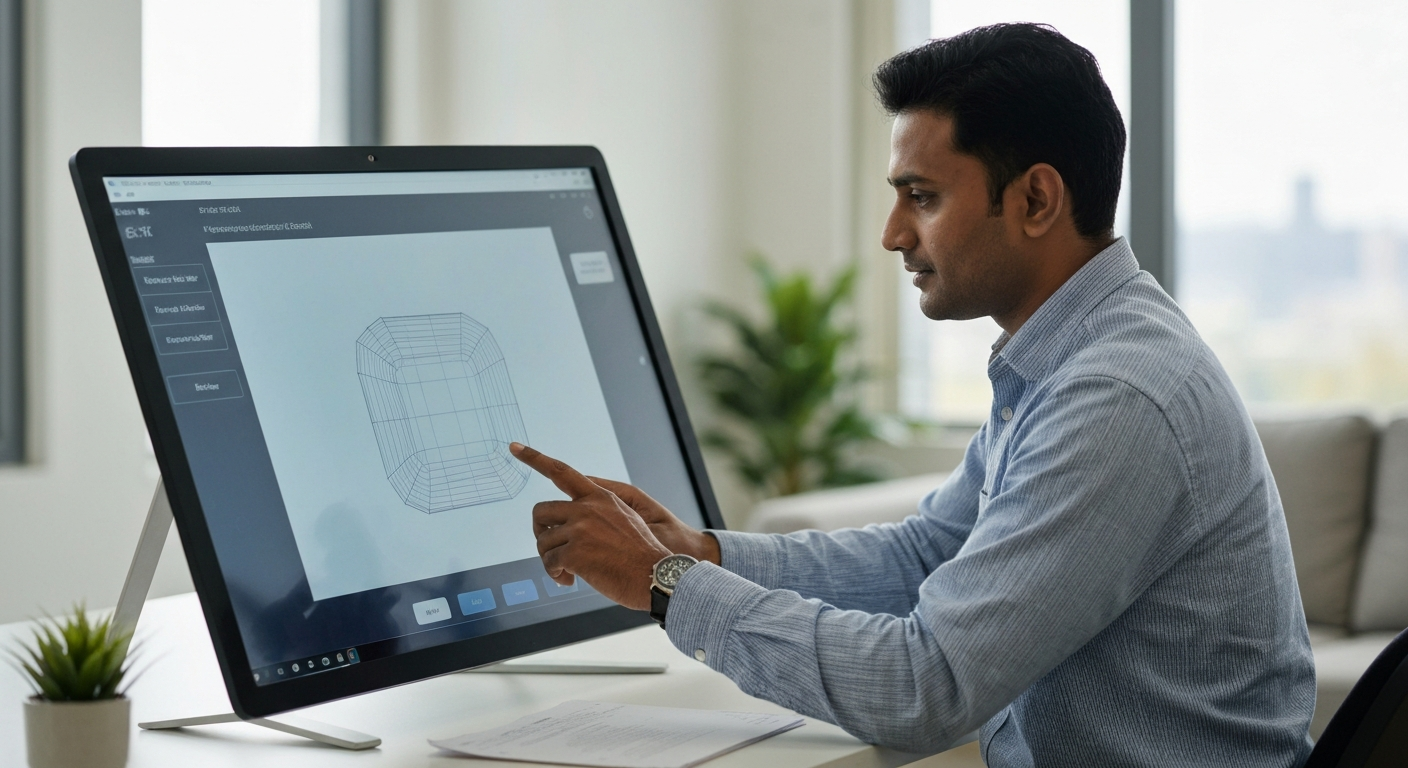
• Low-Cost Augmented Reality (AR): Forget expensive coding. Many simple e-commerce platforms now offer integrations or tools that let you upload simple 3D models. This allows the customer to use their phone camera to “place” your product in their own home before clicking ‘Buy.’ This feature minimizes buyer remorse and costly returns.
The Trust Signal
By providing multiple viewing options, you are transparently addressing the customer’s biggest fear: product mismatch. This creates Visual Trust, a far cheaper asset than any marble floor showroom.
2. The Art of the Detailed Story: Design Rationale and Sourcing
Premium Home Decor isn’t just sold on looks; it’s sold on the story, the craftsmanship, and the materials used. This is your opportunity to highlight the “Made in India” and artisan narrative.
The Solution: Contextualizing Value on Your Product Page
• Master the Description: Every product description must be treated like a miniature magazine article, not just a list of features. Focus on design rationale and material authenticity.
• Instead of: “Wooden table, 4 legs, brown.”
• Write: “Hand-finished Sheesham wood dining table, crafted by artisans in Rajasthan using sustainable timber and featuring traditional Jaali work.”
• Clear Sourcing & Compliance: For items like pillows, mattresses, or organizers, clearly state material compliance and wash care. Customers buying Organic Textiles or ergonomic furniture expect this level of detail.
The Conversion Win
Rich, detailed content is not just good for selling; it is excellent for SEO. By naturally incorporating long-tail keywords like “Sheesham wood Jaali dining table” or “organic cotton bedding D2C,” you ensure Google ranks you for high-value niche searches.

3. Conquering the Logistics Challenge: Transparency in Shipping
Selling a t-shirt is easy to ship. Selling a 150-kilogram cabinet across state lines is the biggest operational hurdle for any Furniture Brand. Customers need confidence in delivery, assembly, and protection.
The Solution: Integrated and Transparent Fulfillment
• Shipping Honesty: Your store must be set up to handle calculated shipping costs based on weight and region. Be completely transparent about the Logistics process.
• Clearly display estimated delivery time for that specific product and Pincode.
• Offer the option of insured shipping for high-ticket items.
• Assembly and Returns: Explicitly state whether the product arrives pre-assembled or requires DIY. If it’s a large item, offer a partnership with a local assembly service (like Urban Company).
• Crucially, define a clear, customer-friendly Return Policy for damaged goods. This reduces buyer anxiety when committing to a large purchase.
SME E-commerce Advantage: Since your platform is affordable, you can integrate easily with reliable national logistics partners (like Delhivery, Blue Dart, etc.) for wide reach, removing the “how will it reach me?” doubt.
4. High-Ticket Confidence: Payment Flexibility and Custom Domain Trust
Home Decor D2C transactions are often high-ticket, ranging from ©15,000 to over ©1 lakh. Buyers expect payment options that match the value of the purchase.
The Solution: Secure and Flexible Checkout
• Multiple Payment Gateways: Your affordable, professional store must support the full range of Indian payment options: UPI, Credit/Debit Cards, Net Banking, and Wallet payments.
• EMI and BNPL Integration: For high-value items (like sofas or beds), the ability to integrate simple EMI (Equated Monthly Installment) or Buy Now, Pay Later (BNPL) options is a massive conversion booster. This makes the purchase affordable for the middle-class urban Indian buyer.
• Custom Domain as Trust Signal: The custom domain acts as the final confirmation of security. Customers are far more willing to enter sensitive payment information on YourFurnitureBrand.com than on a generic marketplace listing. This ensures you secure the high-value sale.
5. Post-Purchase Experience: Turning a Sale into a Loyal Decorator
Your relationship with the customer shouldn’t end when the furniture is delivered. The goal is to turn that satisfied buyer into a Repeat Customer who buys accessories, decor, and future replacement pieces from you.
The Solution: Building the Community
• Digital Assembly Guides: Provide simple video tutorials or PDF guides for easy assembly directly in the customer’s account portal. This reduces support calls and frustration.
• Personalized Upsells: Use the purchase history data from your Online Store platform to suggest related items. If a customer bought a bed, follow up a month later with an email recommending matching side tables or specific textile patterns.
• User-Generated Content (UGC): Encourage customers to share photos of your products in their home use a simple hashtag. This UGC is the most powerful form of marketing, building social proof and inspiring confidence in future buyers.

Conclusion: Your Digital Showroom is Open
The overhead of a physical showroom is now obsolete. By leveraging a powerful, affordable platform like BuildMyStore.io to emphasize visual trust, transparent logistics, and flexible payments, you can build a premium, high-trust Home Decor D2C brand from anywhere in India.
The urban Indian consumer is ready to buy quality and design online. Are you ready to offer them the digital showroom they deserve?
Your Call-to-Action: Stop paying lakhs in rent! Visit BuildMyStore.io today and launch your high-value Home Decor Online Store and Custom App. Start building your brand equity, not your landlord’s.
Frequently Asked Questions
How can I sell high-value furniture online without a physical showroom?
You can build trust through high-quality 3D visuals, 360-degree product views, and Augmented Reality (AR) tools that let customers see products in their own space. Using a professional platform like BuildMyStore.io helps you project a premium brand image without the cost of a physical store.
What is the best way to handle shipping for heavy furniture in India?
Transparency is key. Use integrated logistics partners like Delhivery or Blue Dart, display estimated delivery times by Pincode, and offer insured shipping. Always clarify if the product is pre-assembled or requires DIY assembly to manage customer expectations.
Do I need coding skills to add AR or 3D views to my online store?
No. Modern e-commerce platforms like BuildMyStore.io offer easy integrations where you can upload 3D models. These tools allow customers to use their smartphone cameras to visualize furniture in their rooms without you needing to write a single line of code.
How do payment options impact D2C home decor sales?
Since furniture is a high-ticket purchase, offering EMI and Buy Now, Pay Later (BNPL) options is crucial. Providing secure payment gateways for UPI and Credit Cards, along with a custom domain, builds the necessary confidence for customers to complete large transactions online.