
Ecommerce growth guides for Indian businesses, online stores, grocery sellers, restaurants, cloud kitchens, and hyperlocal brands.
Building an E-Commerce Brand in India: From Zero to Hero
Discover the essential steps to building a successful e-commerce brand in India, from market research and brand identity to scaling with paid ads and customer loyalty.

India’s e-commerce industry is booming, offering unparalleled opportunities for entrepreneurs. With an expected market size of $200 billion by 2026, building an e-commerce brand in India has never been more rewarding. But starting from scratch and turning it into a success story requires strategic planning, persistence, and smart execution. Here’s a step-by-step guide to help you build a thriving e-commerce brand in India.

1. Understand the Market and Your Niche
The first step to building a successful e-commerce brand is identifying a profitable niche that aligns with your skills, interests, and market demand. Some steps to follow include:
- Conduct Market Research: Use tools like Google Trends, SEMrush, and Jungle Scout to identify trending products and customer needs.
- Analyze the Competition: Study established brands in your chosen niche. Understand their strengths, weaknesses, and unique selling points (USPs).
- Target Audience Analysis: Define your ideal customer based on demographics, preferences, and pain points. Knowing your audience is key to creating products and marketing strategies that resonate.
Popular niches in India include fashion, home décor, beauty products, organic foods, and handmade goods.
2. Develop a Strong Brand Identity
Your brand identity sets you apart in the competitive e-commerce landscape. Build a brand that reflects your mission, values, and uniqueness.
- Name and Logo: Choose a memorable name and design a professional logo that resonates with your niche.
- Storytelling: Share your brand story through your website and social media. Customers connect emotionally with brands that have a purpose.
- Brand Colors and Fonts: Consistency in visuals helps establish your brand’s identity across platforms.
Brand Story Example
A sustainable clothing brand might use earthy tones and fonts that reflect nature.
3. Build a User-Friendly Online Store
Your website is the backbone of your e-commerce brand. Ensure it’s visually appealing, fast, and easy to navigate.
- Choose the Right Platform: Platforms like Shopify, WooCommerce, or BuildMyStore.io allow you to create an online store with minimal technical skills.
- Mobile Optimization: With most Indian shoppers using smartphones, your store must be mobile-friendly.
- Essential Pages: Include pages like Home, Shop, About Us, Contact, FAQs, and Terms & Conditions.
- Secure Payment Gateways: Offer multiple payment options, including UPI, credit/debit cards, and Cash on Delivery (COD).
Pro Tip
Use plugins like Lightspeed Cache for faster page loading and enhanced user experience.
4. Source Quality Products
Your product quality can make or break your brand. Source products that meet customer expectations and stand out from competitors.
- Manufacturers and Suppliers: Partner with reliable suppliers or consider manufacturing your products.
- Dropshipping: If you don’t want to handle inventory, explore dropshipping. Platforms like Oberlo can connect you with global suppliers.
- Quality Control: Regularly test your products to ensure they meet high standards.
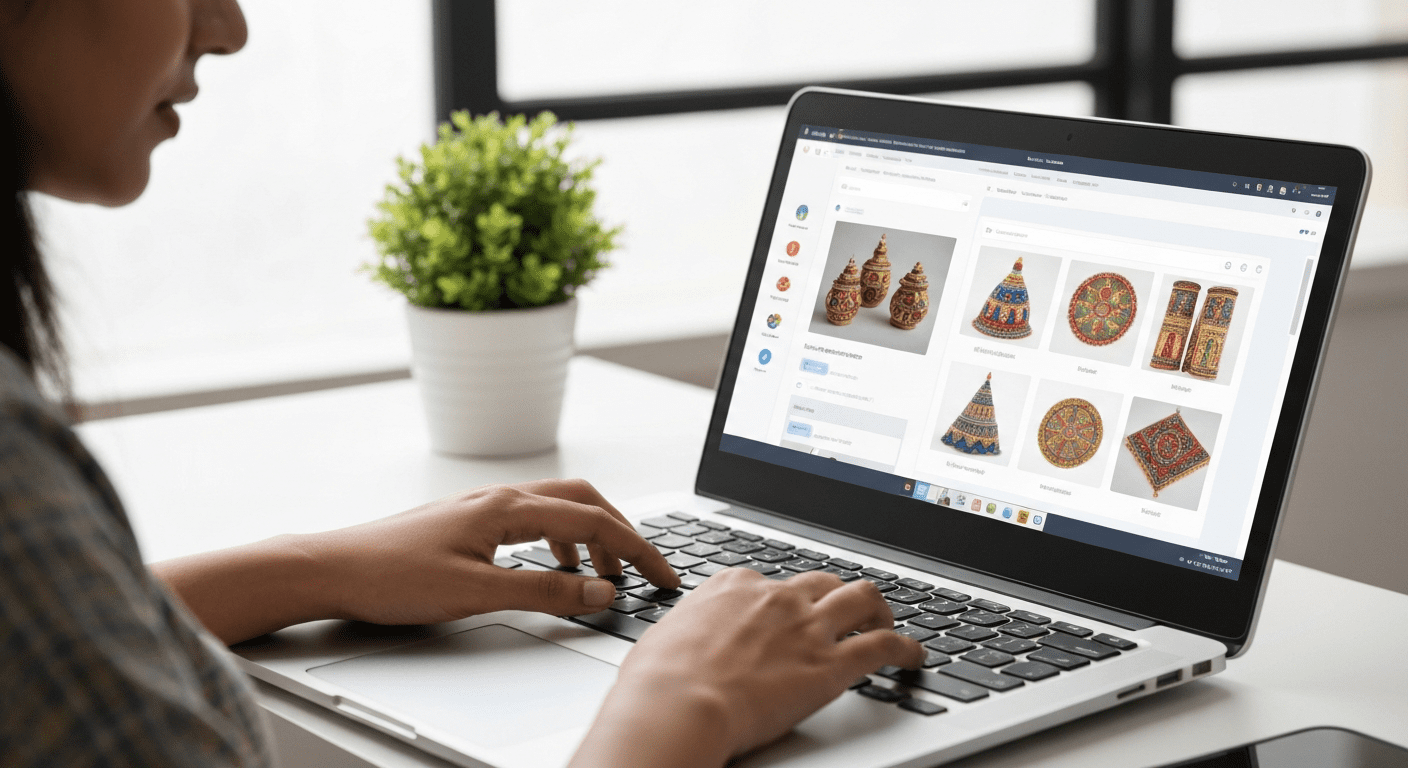
5. Leverage Social Media Marketing
Social media is a powerful tool for reaching your target audience, building brand awareness, and driving sales.
- Platforms to Focus On: Instagram, Facebook, and Pinterest are ideal for visual content and e-commerce marketing.
- Content Strategy: Share product photos, customer reviews, tutorials, and behind-the-scenes content. Use reels, stories, and live videos to engage your audience.
- Influencer Marketing: Collaborate with influencers to promote your brand and gain credibility.
Ad Strategy Tip
Use Facebook Ads Manager to target specific demographics and retarget website visitors.
6. Optimize for Search Engines (SEO)
SEO helps you rank higher on search engines like Google, driving organic traffic to your website.
- Keyword Research: Use keywords like “best-selling products in India,” “e-commerce business ideas,” and “trending products in 2025” to attract relevant traffic.
- On-Page SEO: Optimize meta titles, descriptions, headings, and image alt text.
- Content Marketing: Start a blog to share helpful content, such as guides and tips related to your niche.
Blog Content Example
A beauty brand could write a blog titled, “5 Organic Skincare Trends for 2025.”
7. Invest in Paid Advertising
While organic marketing is essential, paid ads can help you scale faster. Platforms like Google Ads and Meta Ads (Facebook & Instagram) offer great opportunities for Indian businesses.
- Set Clear Goals: Whether it’s brand awareness, traffic, or sales, define your goals before launching campaigns.
- A/B Testing: Test multiple ad creatives to find what resonates best with your audience.
- Retargeting: Use retargeting ads to re-engage users who visited your site but didn’t make a purchase.
8. Offer Excellent Customer Support
Indian customers value brands that prioritize their needs. Providing excellent support builds trust and encourages repeat business.
- Multichannel Support: Offer support via email, live chat, WhatsApp, and phone.
- FAQs and Chatbots: Use chatbots to answer common queries and FAQs.
- Return and Refund Policies: Clearly outline your policies to avoid disputes and build customer confidence.
9. Measure Performance and Adapt
Regularly monitor your performance to understand what’s working and where you need to improve.
- Analytics Tools: Use tools like Google Analytics to track website traffic, bounce rates, and conversion rates.
- Customer Feedback: Collect feedback to identify areas for improvement.
- Pivot When Necessary: If a product or strategy isn’t working, be flexible and try new approaches.
10. Build Customer Loyalty
Loyal customers are the backbone of a successful e-commerce brand. Focus on creating a relationship that goes beyond transactions.
- Loyalty Programs: Offer discounts or points for repeat purchases.
- Personalized Marketing: Use customer data to send tailored recommendations and offers.
- Subscription Boxes: For consumable items, consider offering subscription plans.
Loyalty Strategy Example
A home décor brand can offer a monthly box of curated products.

Conclusion
Building a successful e-commerce brand in India requires a mix of creativity, strategy, and execution. By choosing the right niche, leveraging technology, and focusing on customer experience, you can go from zero to hero in no time.
The Indian e-commerce market is thriving, and with the right approach, your brand can stand out and become a household name. Start your journey today, and who knows—you could be the next big success story in India’s online retail world.
Frequently Asked Questions
How much does it cost to start an e-commerce brand in India?
The cost depends on your model. You can start with ₹20,000 to ₹50,000 for a small inventory or dropshipping model. Using budget-friendly platforms like BuildMyStore.io can help keep initial technology costs low.
Is GST mandatory for selling products online in India?
Yes, GST registration is mandatory for any individual or entity wishing to sell goods through e-commerce operators in India, regardless of the business turnover.
What is the fastest way to launch an e-commerce store in India?
The fastest way is to use an all-in-one platform like BuildMyStore.io, which allows you to set up your online store and app in 30 seconds without needing any technical knowledge.
Which products are trending for e-commerce in 2025?
Trending products for 2025 include sustainable fashion, organic skincare, eco-friendly home decor, and customized wellness products.