
Ecommerce growth guides for Indian businesses, online stores, grocery sellers, restaurants, cloud kitchens, and hyperlocal brands.
Hardware Store Delivery: The Next Big Quick Commerce Boom
While grocery apps fight over low margins, the ₹50,000 Crore Indian hardware sector is underserved. Discover how 30-minute delivery can transform local hardware businesses.

When the retail industry talks about quick commerce or 30-minute delivery, the conversation usually focuses on low-value daily items: milk, bread, and snacks. The entire sector seems obsessed with solving minor kitchen inconveniences.
However, there is a different type of emergency that is far more expensive and frustrating for customers: the infrastructure failure or the construction delay.
Consider a contractor fixing a bathroom. Halfway through the job, he realizes he is short of two specific 90-degree PVC elbows. He has a team of laborers waiting on-site. Every minute the work stops, he loses money. He cannot wait two days for an Amazon delivery. He needs that specific part now.
This represents a massive gap in the market: hardware store delivery.
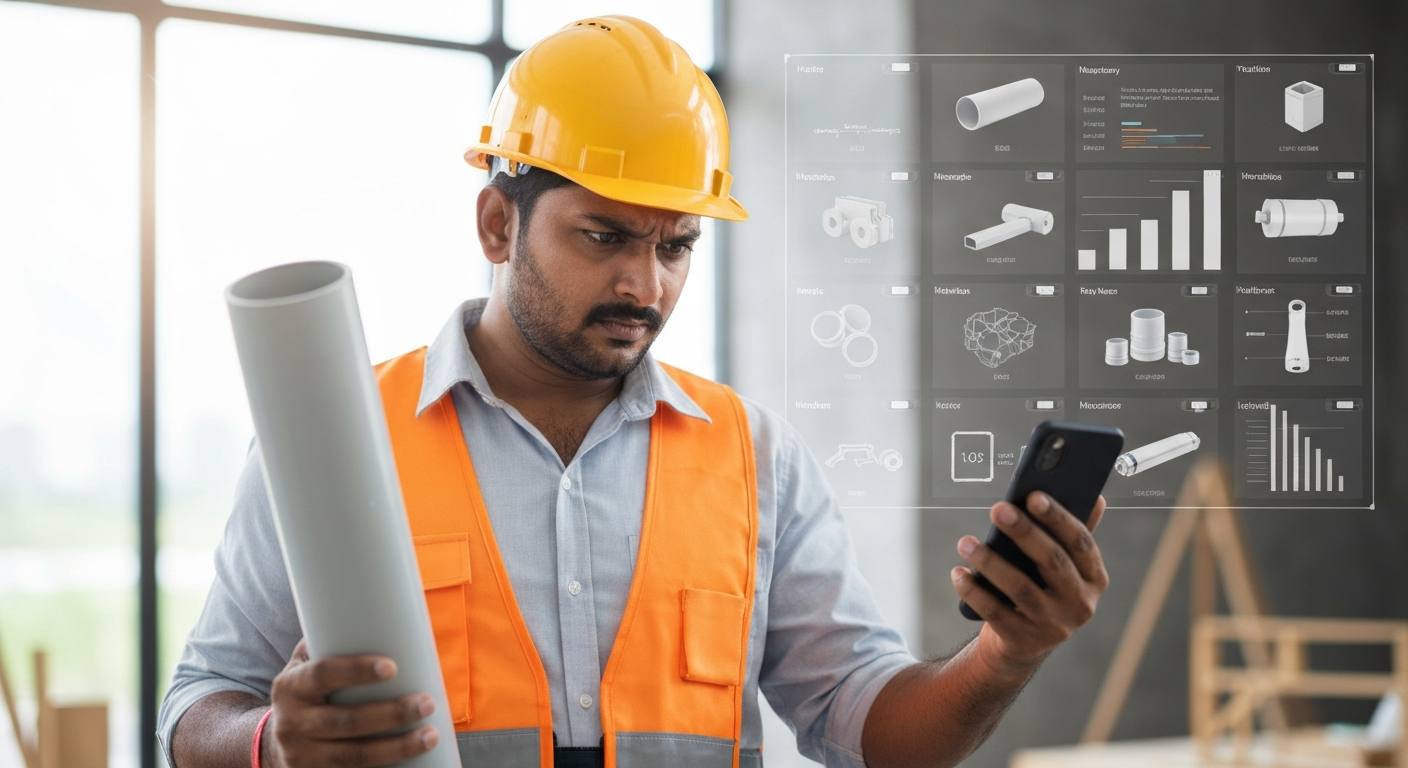
While general apps like Blinkit and Zepto fight over low-margin grocery items, the massive ₹50,000 Crore Indian hardware sector is completely underserved. As a local hardware shop owner, you hold thousands of high-value items that your target audience needs urgently.
Here is a strategic analysis of why quick commerce for hardware is the next big opportunity and how small businesses can capture it before the big players catch up.
1. The Economics of the “Project Halt”: Time is Money
In the grocery business, missing an ingredient is just a nuisance. In the hardware business, missing a screw or valve causes a complete project halt.
For contractors, interior designers, and even homeowners doing DIY projects, a missing part means immediate financial loss.
The Cost of Downtime
• Wasted Wages: Skilled laborers sit idle, getting paid for doing nothing.
• Timeline Delays: Construction delays upset clients and push back deadlines.
• Lost Momentum: The entire workflow breaks down.
This urgency makes hardware the perfect candidate for a hyperlocal delivery model. Your customers whether they are fixing a major plumbing emergency or a simple broken tap are not worried about the price; they are worried about the time. They will gladly pay a premium for a product or service that saves them hours of downtime. The delivery time itself becomes the main value you sell.
2. The Inventory Advantage: Depth Beats Speed
A common worry is, “Can’t the big apps just start selling products like hammers and drills?”
They can sell basic items like masking tape or standard AA batteries. But they cannot match the depth of a real hardware store.
The “Dark Store” business model used by big apps relies on selling a few popular items very fast. They usually stock about 3,000 items in total. A typical local hardware store manages a local inventory of over 10,000 unique items from 50 sizes of washers to specialized electrical supplies.
Your Niche Defense
• A general app cannot stock specific 4-inch PVC pipes. You can.
• E-commerce giants cannot deliver a specific 15-amp fuse in 20 minutes. You can.
• A warehouse manager doesn’t know the difference between a wood screw and a metal screw. You do.
By using this depth, you can fulfill orders that the giants simply cannot handle.
3. The Contractor Connection: A B2B Powerhouse
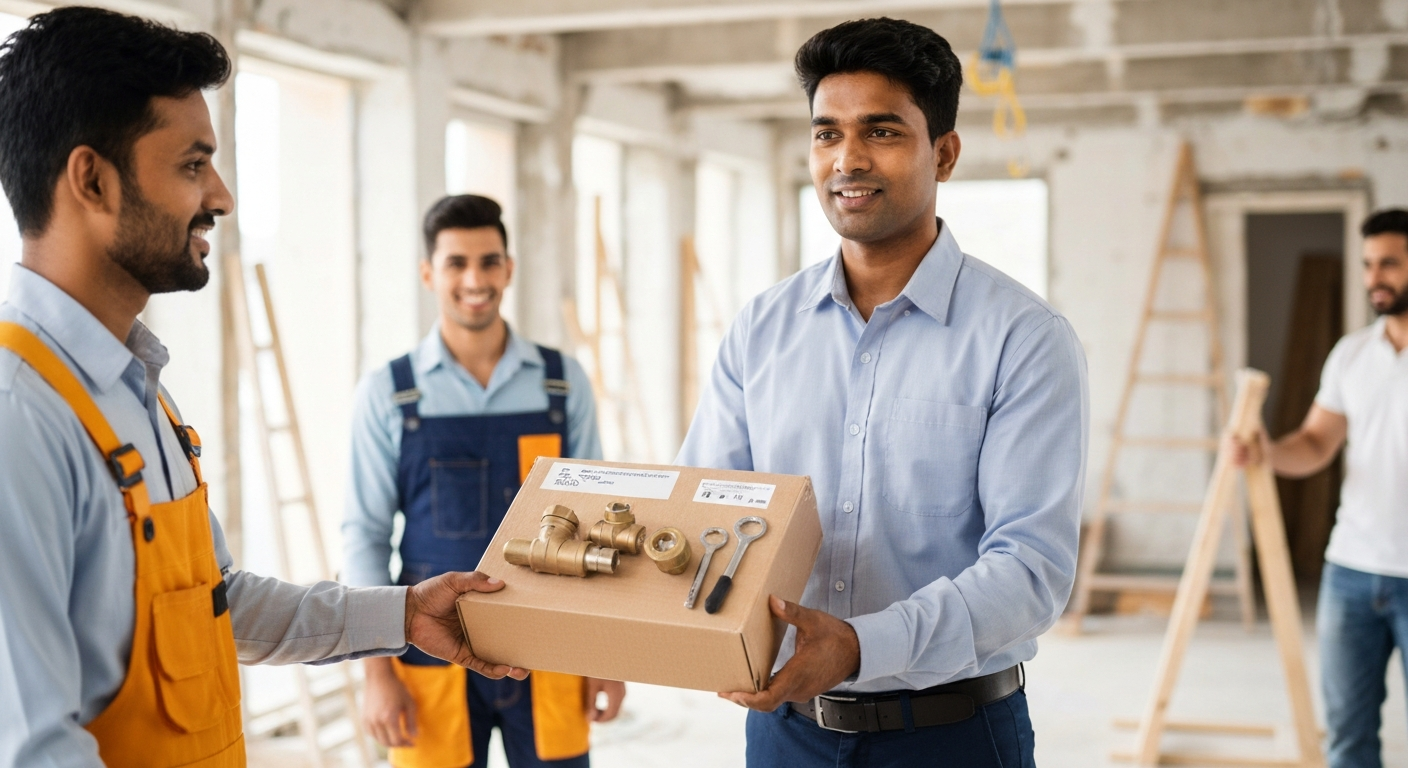
Your biggest opportunity isn’t just the homeowner; it is the contractor support network. Carpenters, electricians, and painters are always moving. They hate leaving a job site to fight traffic, find parking, and wait at a counter just for a box of nails.
If you offer a professional mobile app where they can reorder their standard supplies (nails, white cement, adhesive) and get them delivered to the site, you become their partner. This is effectively B2B (Business to Business) commerce. The order volumes are high, the frequency is regular, and the customer loyalty is very strong.
4. High Margins and Low Risk
Grocery delivery is risky because food spoils. Hardware is a high margin business with zero spoilage.
• Asset Value: If you don’t sell a hammer today, you can sell it next year. It won’t expire. This makes inventory management much safer compared to a grocery store.
• Order Value: A single “emergency” order for a plumber (faucets, pipes, solvents) can easily be worth thousands of rupees. Compare that to a small order for chips. This makes the cost effective nature of each delivery trip much higher.
5. The “Visual” Problem: Why You Need an App
Hardware is technical. A customer calling you to say “I need a washer” often leads to mistakes. “Which size? Rubber or metal? Flat or spring?”
Phone orders lead to errors, returns, and wasted time. This is why you need a professional app with visual confirmation.
• Visual Clarity: The customer sees a photo of the exact hinge or bolt they need. This ensures the shopping experience is error-free.
• Easy Selection: They can choose the right size from a simple menu, navigating your catalog or table of contents easily.
• Smart Suggestions: You don’t need complex machine learning, just simple logic. The app can ask, “Buying paint? Do you need a brush and thinner?” This increases your sales automatically.
6. Marketing Your “Emergency” Service
How do you tell people about this new service? Your marketing strategy should focus on the problem you solve.
• The Toolbox Strategy: Give durable stickers to every electrician and plumber in your area to put on their toolboxes: “Short on material? Order on [App Name]. Delivery in 30 mins.”
• Digital Outreach: Use social media to target local homeowners. Post content like: “Planning a Sunday fix? Don’t run around. Get drills, nails, and paint delivered instantly.”
• The “Safety Kit” Bundle: Sell a pre-packed “Home Emergency Kit” (Teflon tape, screwdriver, fuse wire, flashlight) to new homeowners to bring them into your customer base.
Conclusion: Modernizing the Hardware Trade
The hardware trade has been offline for too long. While other sectors offer high quality instant service, your customers expect better than being stuck in traffic for a ₹50 part.
There is high demand for speed in this sector. You have the stock. You have the knowledge. You have the location. By adding a 30-minute delivery option, you aren’t just selling tools; you are selling time. You are preventing emergency repairs from becoming disasters.
Ready to upgrade your business? Use BuildMyStore.io to launch your specialized hardware delivery app. Connect your massive inventory to the professionals and homeowners who need it right now. Stop waiting for customers to walk in digitize your customer service and send your shop to them.
Frequently Asked Questions
Why is quick commerce a better fit for hardware than groceries?
Unlike groceries, hardware items have zero spoilage risk and higher profit margins. Additionally, the urgency of a ‘project halt’ at a construction site makes customers willing to pay a premium for speed, which isn’t always the case with daily essentials.
Can small hardware stores compete with giants like Amazon or Blinkit?
Yes. Local stores have a massive inventory advantage. While big apps stock about 3,000 popular items, a local hardware store can have over 10,000 specialized parts. This depth allows you to fulfill specific technical needs that general apps cannot handle.
How does a delivery app help in reducing order errors?
An app provides visual confirmation. Instead of describing a part over the phone, customers can see photos of exact sizes and types of screws, valves, or hinges. This ensures the correct part is ordered and reduces the cost of returns and wasted trips.