Ecommerce growth guides for Indian businesses, online stores, grocery sellers, restaurants, cloud kitchens, and hyperlocal brands.
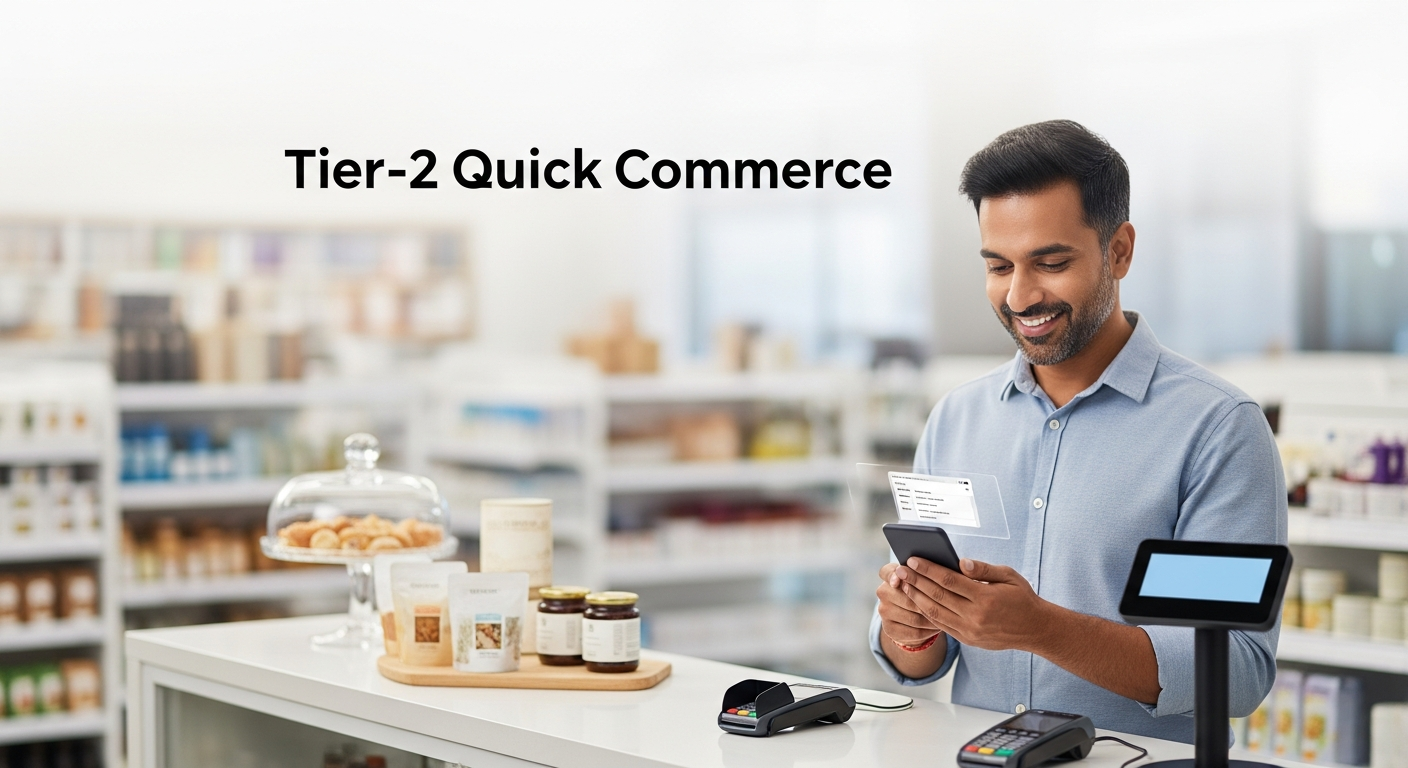
Q-Commerce in Tier-2 Cities: The Next Strategic Frontier
While metro markets are saturated with 10-minute delivery, Tier-2 cities represent a massive arbitrage opportunity for local merchants using their existing infrastructure.

For the past three years, the Indian retail story has focused on one thing: “10-minute delivery.”
We see this everywhere in big cities like Mumbai, Delhi, and Bangalore. We hear crazy stories of people ordering a single apple or a charging cable and getting it instantly. This quick commerce growth in the metros has been huge.
If you run a shop in a Tier-2 city like Indore, Chandigarh, or Jaipur, you might think this doesn’t apply to you. You might assume your customers are relaxed and willing to wait 24 hours for a delivery. You might believe that small town q-commerce is years away.
Strategic Insight
This is a strategic mistake.
The demand for instant gratification has spread everywhere. Thanks to fast 4G internet and Instagram, a teenager in Bhopal wants the same lifestyle as a teenager in Bandra. They do not want to wait two days for Amazon; they want it now. E-commerce adoption is no longer just a big city trend; it is happening across the entire country.
The market leaders Blinkit, Zepto, and Swiggy Instamart know this. They are aggressively entering smaller towns. But there is a secret they won’t tell you: They are struggling to make money there.
Their dark store model is expensive. It requires a high order density to pay for the operating costs of warehouses and staff. In smaller towns, they are burning cash just to stay alive.
This creates a massive arbitrage opportunity for you. As a local merchant, you have a structural advantage. You can offer high-speed delivery without the high costs.
Here is a detailed analysis of why tier-2 city delivery is the next big profit center and how you can win before the giants take over.
1. The “Aspiration” Economy: Status Over Utility
In Tier-2 cities, online shopping is not just about convenience; it is about status.
When a customer in Lucknow buys exotic vegetables or a premium ice cream brand via a dedicated mobile app, they are not just buying food. They are participating in a modern, global lifestyle. The customer behavior in these regions is changing fast.
Tier-2 consumer behavior is shifting. Households are moving from “Monthly Stocking” (buying bulk staples once a month) to “Top-Up Buying” (buying fresh items and snacks every few days). This shift creates the perfect environment for a hyperlocal delivery opportunity.
If your shop offers a slick app and 30-minute delivery, you stop being just a traditional Kirana. You become a “Modern Store.” You become the status symbol of your neighborhood. By offering premium products and services through a smart digital interface, you connect with the younger, tech-savvy generation.
2. The Cost Battle: Why Giants Bleed and You Profit
The business model used by the big companies relies on “Dark Stores.” These are warehouses that act as a fulfillment center but do not allow walk-in customers.
- Their Problem: They pay rent for the warehouse plus salaries for staff who only pack online orders. If order density is low, they lose money. Their operating costs are fixed, even if sales are low.
- Your Advantage: You have already paid for your shop space. Your staff is already paid by your walk-in customers.
When you add online delivery, your incremental cost is almost zero. You do not need 1,000 orders a day to break even. Even 50 extra orders a day is pure profit that goes straight to your bottom line. This low cost delivery model creates a strong defense that expensive startups cannot break. You achieve cost effectiveness simply by using assets you already own.
3. Trust: Your Secret Weapon in Small Towns
In Mumbai, people trust the App and the Brand. In Mysore, they trust the Owner.
Tier-2 customers are often suspicious of faceless companies. They ask questions about quality that metro customers might ignore. “Will the vegetables be fresh?” “Is the paneer real?”
When they order from your app, they know your shop exists. They know where to go if the product is bad. This customer trust is an asset that money cannot buy. It is your ultimate competitive advantage.
Strategic Implementation: Use this trust in your marketing strategies.
- App Message: “Delivered directly from [Your Shop Name], Civil Lines. NOT a Dark Store.”
- The Promise: “Easy Returns. Just hand it back to our rider.”
This builds deep brand loyalty. Your existing customer base already knows you. Moving them to an app is simply adding convenience to a relationship that already exists.
4. Smart Logistics for Smaller Cities
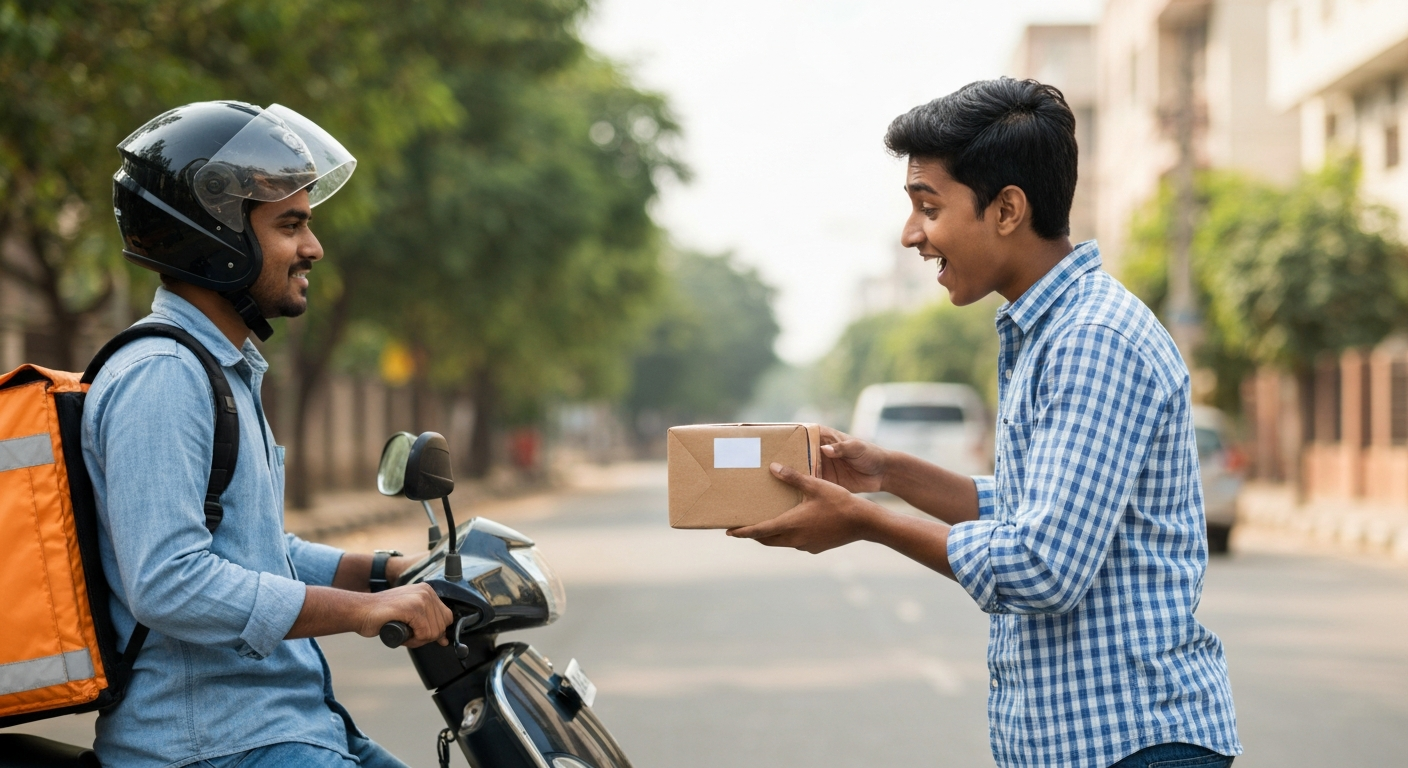
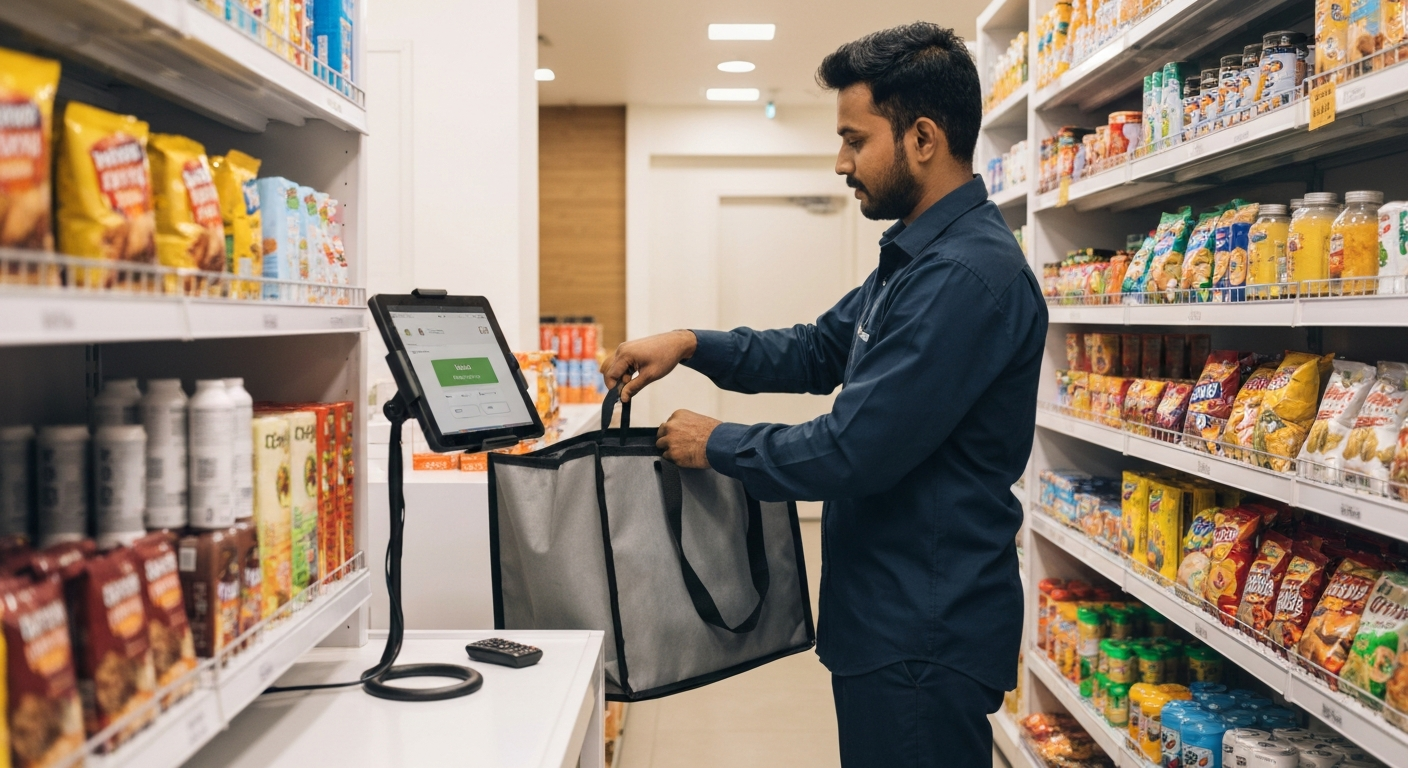
Traffic in Tier-2 cities is different; it is predictable. You do not need complex ai powered software or expensive tech to manage delivery processes. A rider on a bike (or even an E-Rickshaw for heavy orders) can easily cover a 3-4 km delivery radius within 15 minutes.
The “Shared Labor” Strategy: In smaller towns, the labor market is flexible. You can hire college students who want part-time income in the evenings. You do not need a full-time delivery fleet on your payroll. Pay them per order (e.g., ₹20 per delivery). Since distances are short, they can do 4-5 deliveries an hour. This ensures they earn good money while keeping your last mile delivery costs low.
This efficiency allows you to offer free or low-cost delivery without hurting your profits. This directly drives customer retention.
5. Inventory Strategy: What Actually Sells?
Do not copy the inventory of a Mumbai dark store. Market trends in small towns are different. The quick commerce growth here is driven by specific needs:
- The “Guest” Emergency: Unexpected guests are common in small towns. Top Sellers: Premium Namkeen, Biscuits, Cold Drinks, and Fancy Sweets.
- The “Sunday Special”: Families often cook special meals on weekends. Top Sellers: Paneer, Idli Batter, Exotic Spices, and Curd.
- The “Private” Items: Products that people are shy to buy at the counter. Top Sellers: Personal hygiene products, contraceptives, and pregnancy kits. An app provides privacy that a physical counter does not.
Understanding these customers preferences allows you to stock the right items for impulsive buying. This smart inventory management ensures you are not stuck with dead stock that nobody wants.
6. You Need Professional Tech
You cannot manage this on WhatsApp. In a tight-knit community, news travels fast. If you mess up orders sending the wrong item or forgetting a bill your reputation will suffer immediately.
You need a professional automated app system.
- Real-Time Inventory: If you run out of Amul Butter, the app must show “Out of Stock” instantly.
- Professional Bills: Sending a digital invoice looks professional and builds trust.
- Brand Image: Having your own branded app on the Play Store makes you look big and modern. It impresses the younger generation who decide what the family buys.
Technology advances have made these tools easy for small businesses to use. You no longer need an IT team; platforms like BuildMyStore.io handle the hard work for you.
7. The Window of Opportunity is Closing
The big companies are coming. They want market share in emerging markets. You will soon see billboards saying “Blinkit launching in your city.”
If you wait for that sign, you have already lost. You must capture the digital market now. Make your app the default habit for your neighborhood. Short term waiting will lead to long-term failure.
The local economy is shifting. Customers are voting with their wallets for convenience. If you do not offer it, they will give their money to a stranger from Bangalore.
Key Takeaways for the Local Merchant
1. Don’t Fear the Giants: Their costs are high; yours are low. You can make money on fewer orders; they cannot.
2. Own the Customer: Use your app to learn consumer behavior. Know what they buy and when.
3. Speed is Trust: In a small town, a 20-minute delivery promise kept is worth more than a 10-minute promise broken.
4. Digitize Now: Local store digitization is not a luxury; it is a survival requirement.
Ready to defend your territory?
You have the inventory. You have the location. You have the trust. The only thing missing is the technology.
Use BuildMyStore.io to launch your own blinkit alternative today. Show your city that the best delivery service does not come from a tech hub it comes from down the street. Turn your shop into a fulfillment center for the modern age and secure your place in the future.
Frequently Asked Questions
Is quick commerce profitable in smaller Indian cities?
Yes, it can be highly profitable for local merchants. Unlike big startups that use expensive dark stores, local shops use their existing inventory and staff, making the cost of adding online delivery almost zero.
How can a local kirana store compete with Zepto or Blinkit?
Local stores have two major advantages: lower operating costs and existing customer trust. By using a professional platform like BuildMyStore.io, a local merchant can offer the same app-based convenience while leveraging their physical presence for faster, more trusted service.
What products sell best in Tier-2 quick commerce?
Top sellers include ‘guest emergency’ items like premium namkeen and sweets, ‘Sunday special’ items like paneer and batter, and private items like personal hygiene products that customers may feel shy buying in person.