Ecommerce growth guides for Indian businesses, online stores, grocery sellers, restaurants, cloud kitchens, and hyperlocal brands.
Corporate Lunch Contracts: Why B2B is Your Ticket to Stability
Tired of the daily hunt for individual customers? Discover how shifting to corporate lunch contracts can stabilize your revenue, reduce waste, and scale your kitchen operations.

It is 12:45 PM on a Tuesday. It’s raining heavily.
Inside your kitchen, it is absolute chaos. Your aggregator tablet is screaming with alerts.
- Order #1: 1 Butter Chicken to Sector 14.
- Order #2: 1 Veg Thali to Sector 9.
- Order #3: 1 Fried Rice (No onion, extra sauce) to Sector 22.
You are coordinating with 15 different delivery riders. You are paying high commissions on every single order. And the worst part? You have to do this all over again tomorrow. You have to wake up and “hunt” for these customers every single day. If it stops raining tomorrow, orders might drop by 40%. This volatility is why so many small businesses in the food sector fail.
Now, pause. Imagine a different reality.
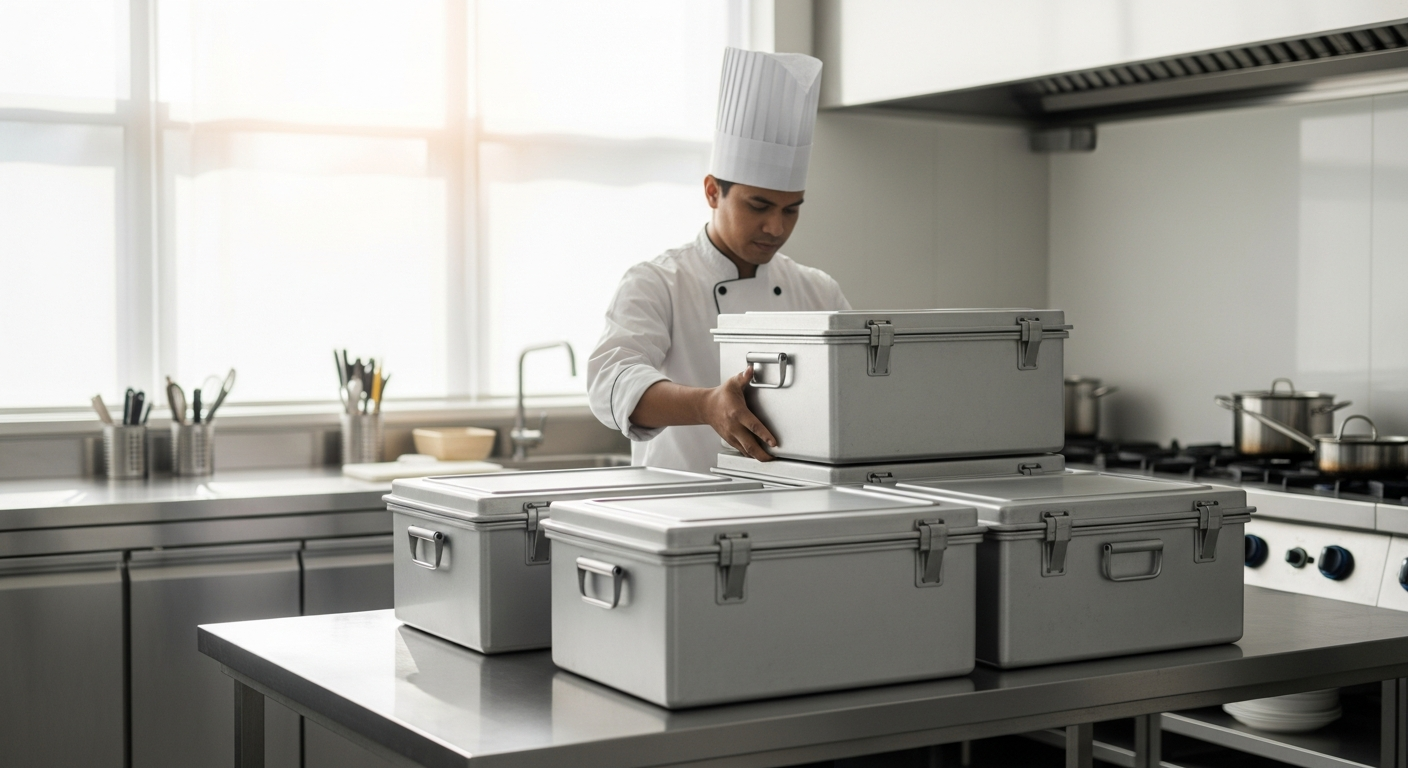
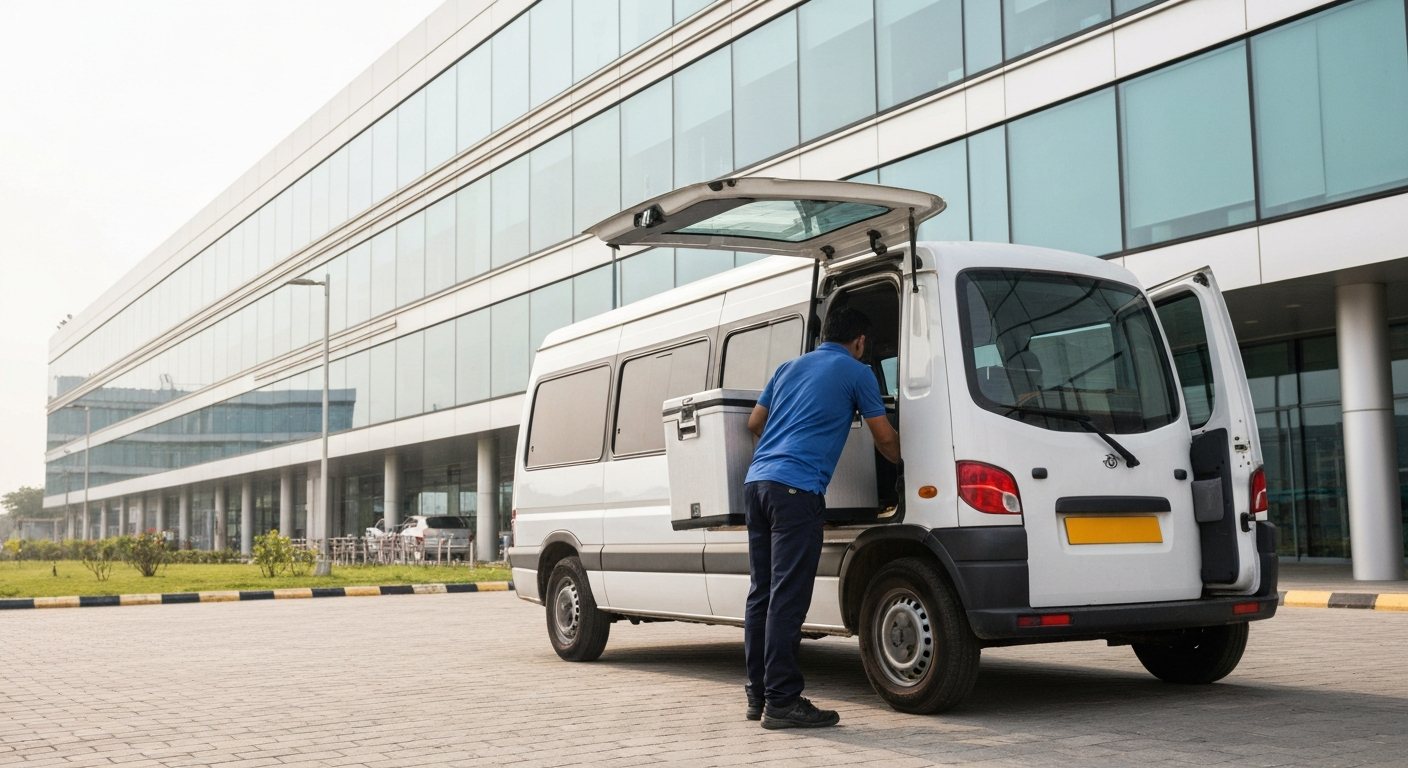
It is 11:30 AM. Your kitchen is calm. Your staff packs 50 identical meals into one large thermal crate. Your driver loads it into a van and drives to one corporate office. He drops it off at the reception. Job done.
You just sold 50 meals in a single transaction. Zero commissions. Zero “Where is my rider?” anxiety. And the best part? You know exactly how many meals you will sell tomorrow, next week, and next month.
This is not a fantasy. This is the power of the Corporate Catering Contract.
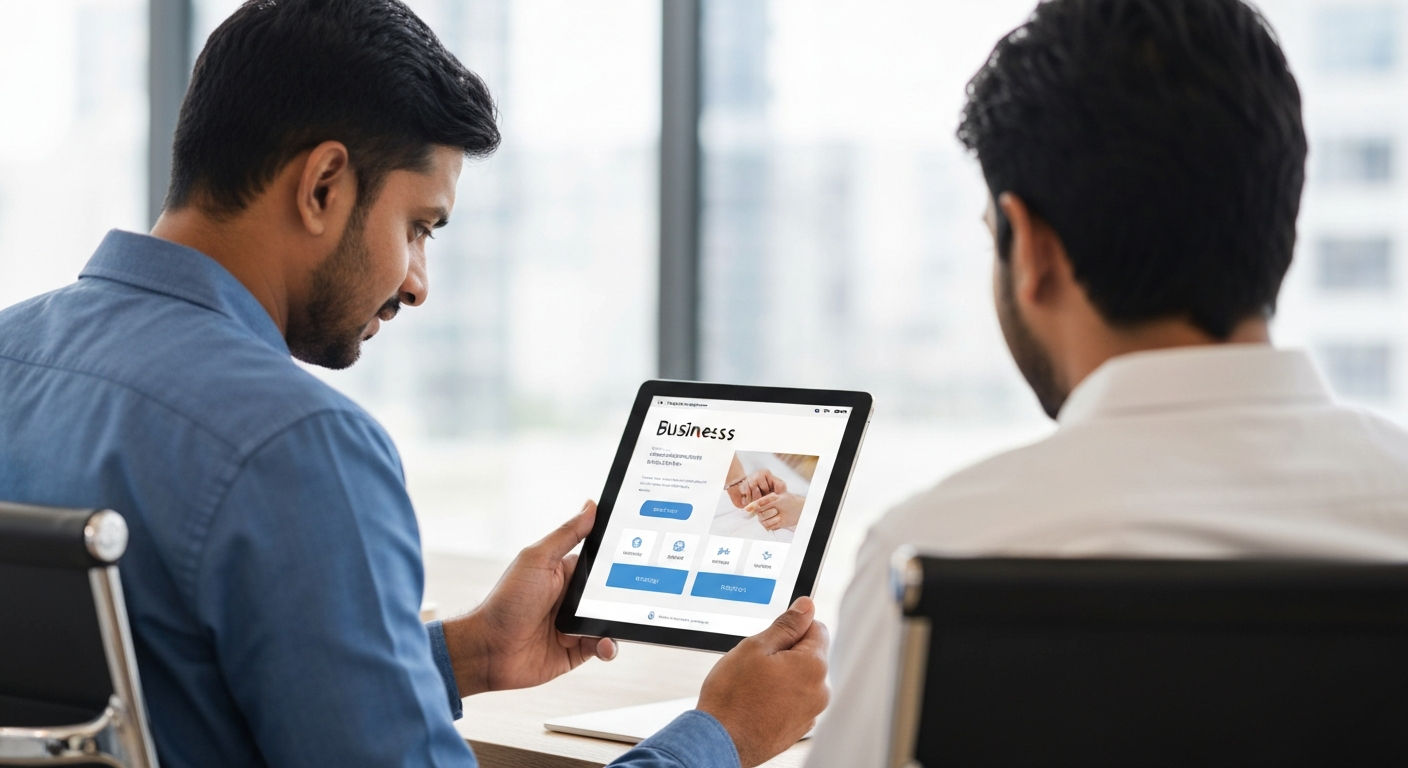
While most food businesses fight a bloody war for individual customers (B2C), the smartest players are quietly pivoting to B2B lunch delivery. They are moving from selling “Lunch” to selling “Employee Meal Programs.”
Here is why swapping single orders for monthly contracts is the ultimate hack for recurring revenue, and how you can use technology to execute this profitable model.
1. The Economics of “Hunting” vs. “Farming”
In the standard retail model (B2C), your Customer Acquisition Cost (CAC) is high. You run ads, you offer discounts, and you pray the customer returns. You are constantly spending money to acquire existing customers all over again. In the B2B model, you stop hunting and start farming.
Once you sign a monthly corporate catering contract with an office of 50 people, your marketing cost drops to zero. You have a captive audience.
B2C vs. B2B Realities
B2C Reality: You never know if you will sell 100 plates or 50 plates today. This makes buying vegetables a guessing game, leading to massive food waste.
B2B Reality: You know exactly that you need 50 portions of Dal and Rice. You buy exactly that amount. This precision reduces waste to near zero, which instantly boosts your bottom lines.
2. The Kitchen Efficiency Miracle
Cooking for B2B is radically cheaper than cooking for B2C.
Think about your chef’s workflow. In B2C: He makes one Fried Rice. Washes the wok. Makes one Chilli Chicken. Washes the wok. It is slow, labor-intensive, and stressful. In B2B: You have a set menu. “Today is Rajma Chawal.” Your chef cooks 20kg of Rajma in one giant pot. He steams 15kg of rice in one go.
The labor required to food preparation for 50 meals is almost the same as cooking for 5. This operational efficiency means you can offer the corporate client a lower price per meal while still making a higher profit margin than retail. It is the most cost efficient way a business operates.
3. The “Hybrid” Opportunity: Subsidized Meals
Here is the biggest trend of 2026: Companies are desperate to get employees back to the office. How are they doing it? With free or subsidized meals.
- The Scenario: A meal costs ₹150. The Company pays ₹100, and the Employee pays ₹50.
This is the “Golden Ratio.” Employees feel they are getting a steal, so they order every single day. The company gets a tax benefit and a happy team. You get high volume. But—and this is a big “but”—managing this split payment manually is a nightmare. Trying to track who ate what and splitting the bill in Excel will drive you crazy. This complexity is why many restaurants avoid it, and exactly where you can win if you have the right tech.
4. Stop Selling Food. Sell Productivity.
When you walk into an office to pitch your office lunch delivery service, do not talk about your secret spices. The HR Manager doesn’t care about your recipe. They care about their problems.
Your Winning Pitch
• “Is your team wasting 45 minutes every day scrolling through apps and debating what to eat?”
• “Do you have random delivery boys constantly crowding your reception, creating a security risk?”
• “We offer a streamlined solution. One delivery. On time. Healthy, home-style food. Your team eats together and gets back to work faster.”
You are not selling lunch; you are selling corporate wellness and productivity. The food is just the vehicle. This approach builds trust with decision-makers who value efficiency over flavor.
5. The “Bulk” Logistics Advantage
Let’s talk about the unsexy part: Packaging.
- B2C: You pay for 50 plastic containers, 50 bags, 50 sets of cutlery. You pay delivery fees for 50 separate trips.
- B2B: You use bulk packaging or reusable industrial trays (Buffet Service). You make one delivery trip.
This massive reduction in packaging and logistics costs is pure profit. It transforms your business from a logistics company back into a food company. Plus, using reusable trays significantly reduces food waste and plastic usage, which is a great selling point for modern companies.
6. How BuildMyStore Actually Solves the Logistics
If B2B is so great, why isn’t everyone doing it? Because the admin work is hard. Managing GST invoicing, delivery, and menu items on WhatsApp is a recipe for disaster.
This is where BuildMyStore.io fits in perfectly. It isn’t just a website builder; it has specific tools for this exact model:
A. The “Subscription” Engine (Recurring Revenue)
You don’t need customers to order every day. BuildMyStore’s Subscription Feature allows employees to subscribe to a “Monthly Lunch Plan.” The system auto-generates the order daily.
- Benefit: You wake up knowing exactly how many meals to cook. No guessing.
B. Digital Wallet for Easy Payments
Handling cash or daily UPI links for 50 employees is impossible. BuildMyStore has a built-in Digital Wallet.
- How it works: Employees load ₹2,000 into their app wallet at the start of the month. The money is deducted automatically with every meal delivery.
- Benefit: You get your cash flow in advance, not 30 days later.
C. Private “Category” Management
You can create specific categories for specific clients (e.g., “TechPark Special Menu”).
- Benefit: You can offer a streamlined, rotating menu (e.g., “Monday: North Indian,” “Tuesday: Chinese”) to keep employees excited without complicating your kitchen operations. This allows for easy menu customization and handling dietary restrictions.
D. Rider App for Bulk Delivery
You don’t need expensive 3rd party logistics. BuildMyStore’s Rider App lets you assign the bulk food orders to your own driver.
- Benefit: The customer can track the van via the mobile app, ensuring the “1:00 PM Lunch” promise is always kept.

Conclusion: From Vendor to Partner
The shift from B2C to B2B is a shift in mindset. In B2C, you are a vendor. You are transactional. You are replaceable. In B2B, you are a partner. You are fueling their workforce.
The days of the expensive, on-site corporate cafeteria are ending. Companies don’t want to manage kitchens anymore. They want a reliable partner to bring high-quality food services to them. This is a massive, empty market waiting for efficient local players. You have the kitchen. You have the talent. Now, you just need the system to handle account management and credit terms professionally.
Ready to secure your first contract? Stop chasing individual orders in the rain. Use BuildMyStore.io to launch your subscription-based catering service app today. Walk into that office building next door and offer them a solution that actually works.
Frequently Asked Questions
What are the benefits of corporate lunch contracts for small kitchens?
Corporate contracts provide predictable revenue, reduced food waste, and lower marketing costs. By cooking in bulk for a fixed number of people, kitchens can achieve higher profit margins compared to individual retail orders.
How do I pitch a lunch program to an HR Manager?
Focus on productivity and employee wellness rather than just food. Highlight how a centralized delivery reduces reception chaos, saves employees time spent on food apps, and fosters team bonding through shared meals.
How can technology help manage corporate meal subscriptions?
Platforms like BuildMyStore.io automate the process using subscription engines, digital wallets for employee payments, and specialized rider apps to track bulk deliveries, removing the manual stress of managing accounts.